Evaluating the Lecture Plan KDP Interior for Academic Publishing
Self-publishing educational materials on Amazon KDP requires a balance between professional presentation and production efficiency. The Lecture Plan - KDP Interior is a specialized template designed to bridge this gap for educators, tutors, and academic content creators. Unlike generic lined journals or blank notebooks, this interior is structured specifically to accommodate lesson planning, lecture notes, and curriculum organization. When evaluating this resource, it is essential to understand its technical specifications, practical applications, and limitations to determine if it aligns with your specific publishing goals.
Understanding the Product Specifications
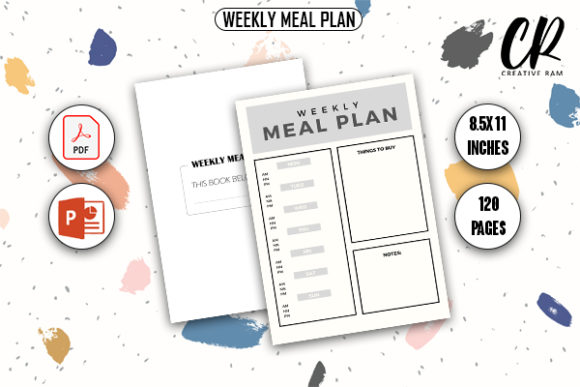
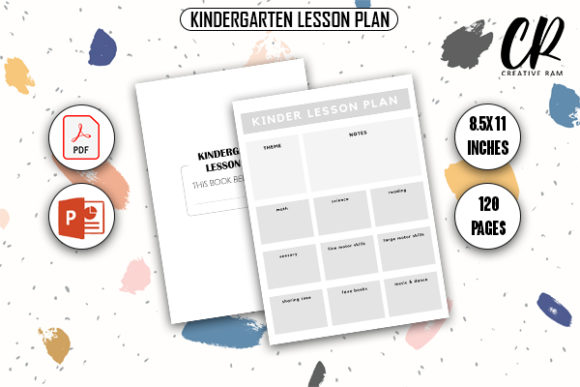
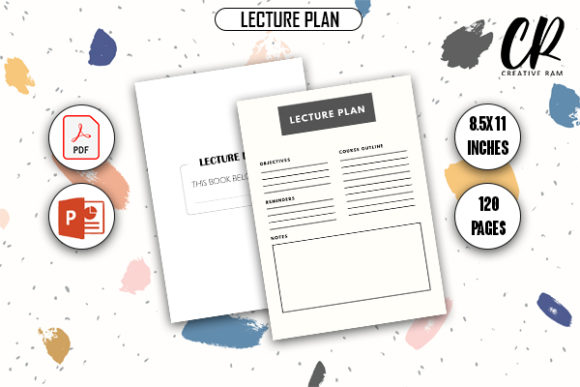
The Lecture Plan - KDP Interior is defined by precise technical parameters that dictate its usability and print quality. The document is formatted at 8.5″ x 11″ inches, which is the industry standard for academic workbooks and textbooks in the United States. This dimension provides ample horizontal space for diagrams, charts, and extensive note-taking, distinguishing it from smaller trade sizes often used for fiction or memoirs.
The interior comprises 120 pages, a length that strikes a functional balance for semester-long courses or comprehensive workshop guides. Crucially, the file is configured with bleed. In KDP printing, bleed ensures that design elements extending to the edge of the page are trimmed correctly without leaving unprinted white borders. For a lecture plan where margins may be tight or headers might extend outward, this specification prevents formatting errors during the physical production process. The package includes both high-quality print-ready PDF files and editable PPTX source files, offering two distinct pathways for publication.
Primary Use Cases and Target Audience
This interior template serves a niche but significant segment of the self-publishing market. It is primarily evaluated by individuals who need to transform digital knowledge into a tangible, structured format without investing hundreds of hours in graphic design. Key user groups include:
- University Professors and Adjuncts: Educators seeking to create supplementary course readers or structured note-taking companions for students.
- Corporate Trainers: Professionals developing workshop materials that require a consistent layout for participants to follow along and record insights.
- Tutors and Coaches: Independent educators creating branded workbooks that serve as both a teaching aid and a value-add service.
- Academic Content Creators: Authors building a series of educational books who need a standardized interior to maintain brand consistency across multiple titles.
For these users, the Lecture Plan - KDP Interior functions as an infrastructure solution. It removes the friction of layout design, allowing the creator to focus entirely on pedagogical content rather than margin settings or grid alignment.
Benefits of Using a Pre-Formatted Interior
The most immediate advantage is time efficiency. Designing a 120-page workbook with proper bleed, gutter margins, and consistent headers from scratch can take dozens of hours. This template reduces that timeline significantly. The inclusion of PPTX source files adds a layer of flexibility often missing from standard KDP interiors. While PDF is the final output required for Amazon, PowerPoint is a familiar interface for many educators. This allows users to modify text, adjust spacing, or rebrand the interior using software they already own and understand, without needing to learn Adobe InDesign or Affinity Publisher.
Furthermore, the print-ready nature of the PDF minimizes the risk of rejection during the KDP upload process. Formatting errors regarding bleed and safe zones are common reasons for manuscript approval failures. By utilizing a pre-validated template, publishers reduce the iterative cycle of uploading, correcting, and re-uploading proofs.
Tradeoffs and Limitations
Despite the convenience, there are inherent tradeoffs to consider. A pre-made template imposes a specific structure. If your lecture style requires non-standard layouts, such as landscape orientation, fold-outs, or unique column widths, this 8.5″ x 11″ portrait format may feel restrictive. Customizing the PPTX file beyond simple text replacement requires a moderate level of design competency; altering master slides or changing global styles can sometimes disrupt the bleed settings if not done carefully.
Additionally, because this is a commercial template, there is a possibility of visual similarity with other published works. In highly competitive niches, a unique interior design can be a differentiator. Users relying solely on the default styling without customization may find their book looks generic compared to bespoke alternatives. The 120-page count is also fixed; while sufficient for many purposes, courses requiring significantly more or fewer pages will necessitate either adding blank pages (which affects spine width calculations) or deleting content, potentially disrupting the pagination logic.
Situational Fit: When to Choose This Template
The Lecture Plan - KDP Interior is a strong fit when speed-to-market and functional utility are prioritized over artistic novelty. It is ideal for:
- Pilot Programs: Testing a new curriculum where the content matters more than the aesthetic perfection of the workbook.
- Series Expansion: Rapidly producing volumes 2 through 10 of an established educational series where consistency is paramount.
- Budget-Constrained Projects: Situations where hiring a professional book designer is not financially viable, but a professional appearance is still required.
- Internal Distribution: Creating materials for classroom or corporate use where functionality outweighs retail shelf appeal.
When to Consider Alternatives
Evaluation should also include recognizing when this product is not the right solution. Alternatives should be considered in the following scenarios:
- Highly Visual Subjects: Art, architecture, or medical anatomy books often require custom image placement and text wrapping that a rigid template cannot accommodate.
- Non-Standard Trim Sizes: If your audience expects a square workbook or a pocket-sized reference guide, the 8.5″ x 11″ format will be unsuitable.
- Complex Interactive Elements: Books requiring perforated pages, spiral binding compatibility, or integrated QR codes may need custom typesetting.
- Established Brand Guidelines: Institutions with strict visual identity manuals may find the cost of retrofitting a template higher than commissioning a custom design that meets compliance standards immediately.
Practical Decision-Making Insights
Before acquiring the Lecture Plan - KDP Interior, conduct a brief audit of your content needs. Review your existing lecture notes or curriculum outline. Do they naturally fit into a structured, repetitive layout? If your content flows linearly and relies on standard note-taking conventions, this template will likely enhance the user experience. If your content is erratic or heavily dependent on variable media, the structure may become a hindrance.
Verify your technical capability with PowerPoint. Open a sample PPTX file before purchase if possible, or review the vendor’s documentation regarding editability. Ensure you understand how to export a print-ready PDF from PowerPoint with bleed settings intact, as this is a common failure point for users transitioning from office software to professional publishing workflows.
Finally, calculate your true cost per unit. While the upfront cost of a template is lower than custom design, ensure the 120-page count aligns with your pricing strategy. On Amazon KDP, printing costs are determined by page count and ink type. A 120-page black-and-white book has a specific minimum price threshold. Confirm that your intended retail price allows for a viable royalty margin after accounting for the fixed printing cost of this specific page count. By weighing these technical, financial, and pedagogical factors, you can make an informed decision about whether this interior template supports your educational publishing objectives effectively.