KDP Job Application Planner: Organizing Your Career Search with Customizable Tools
Navigating the modern job market often feels less like a professional pursuit and more like a chaotic data management project. Between tracking application statuses, remembering specific interview questions, and managing dozens of login credentials for various career portals, mental fatigue sets in quickly. The KDP Job Application Planner addresses this friction by providing a structured, physical or digital workspace dedicated solely to your career transition. Unlike generic notebooks, this 100-page resource is engineered specifically for the recruitment lifecycle, offering a tangible system to manage the intangible stress of job hunting.
Bridging the Gap Between Digital Chaos and Physical Clarity
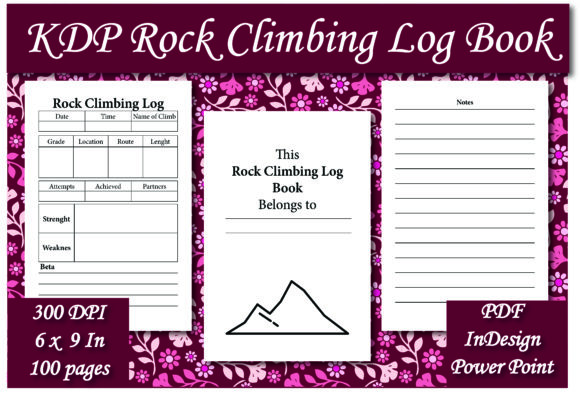
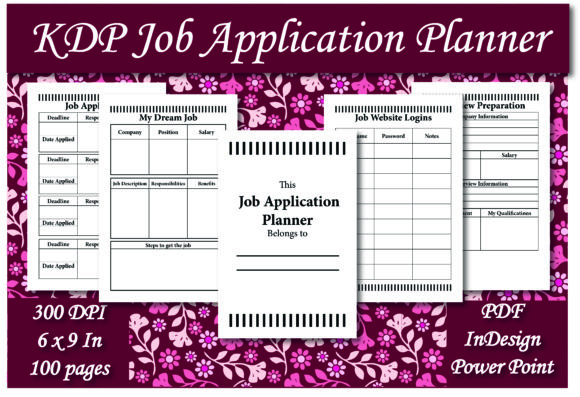
While most job searching happens on screens, the cognitive load of processing rejection, feedback, and scheduling is often better managed offline. This planner serves as an external hard drive for your career search. By moving critical information from browser tabs to a dedicated 6 x 9 inch format, you create a psychological boundary between "searching" and "living." The compact size is intentional; it fits into a bag for coffee shop work sessions or sits unobtrusively on a desk without dominating the workspace. For professionals aged 20 to 50, this portability means the planner adapts to hybrid lifestyles, whether you are networking at a conference, waiting in a lobby before an interview, or organizing your week at home.
The true value emerges when you treat this tool as a command center rather than a diary. When you have a centralized location for every interaction with a potential employer, patterns emerge. You might notice that applications submitted on Tuesdays get faster responses, or that a specific type of cover letter yields more interviews. These insights are nearly impossible to glean when your data is scattered across email folders, spreadsheets, and sticky notes.
Customization Through InDesign and PowerPoint Files
One of the most significant advantages of this pack is the inclusion of editable source files. Standard low-content books force you into someone else’s workflow, but career paths are rarely linear. A software engineer tracking technical assessments has different needs than a marketing director building a portfolio timeline. With the included InDesign and PowerPoint files, you can modify the interior before printing or uploading.
Consider a scenario where you are pivoting industries. You might need to add sections for certification tracking or skill gap analysis that aren't present in a standard template. By editing the master file, you can insert these pages seamlessly. Alternatively, if you find certain sections redundant, removing them streamlines the book to exactly 100 pages of high-value content. This flexibility transforms the product from a static commodity into a bespoke career tool. For those creating their own KDP products, these files also serve as a professional foundation, saving dozens of hours in layout design while ensuring print-ready margins and bleed settings are already configured.
Real-World Applications Across Career Stages
The utility of the KDP Job Application Planner shifts depending on where you are in your professional journey. Understanding these nuances helps maximize the return on your organizational efforts.
For Recent Graduates and Entry-Level Candidates
New entrants to the workforce often face the "volume game," applying to dozens of positions weekly. Here, the Job Website Logins section becomes critical. Managing credentials for LinkedIn, Indeed, Glassdoor, and university alumni portals can be a security risk and a memory test. Centralizing this information (securely) reduces the friction of daily applications. Furthermore, the My Dream Job page acts as a grounding mechanism. When rejection emails pile up, having a clearly defined vision of the ultimate goal helps maintain resilience and prevents aimless applying to roles that don't align with long-term aspirations.
For Mid-Career Professionals and Industry Pivots
Professionals with ten or more years of experience typically apply to fewer roles but with higher stakes. For this demographic, the Interview Preparation section offers the highest ROI. Senior interviews often involve multiple rounds, case studies, and behavioral questions requiring detailed storytelling. Using the planner to map out STAR (Situation, Task, Action, Result) method responses for specific companies ensures consistency. The 6 x 9 size allows for discreet review of these notes immediately before a Zoom call or in-person meeting, reducing reliance on digital devices that can be distracting or appear unprofessional during interviews.
For Freelancers and Contract Workers
Gig economy workers and consultants use job planners differently. Their "job application" is often a proposal or a pitch. The Job Application tracking pages can be repurposed to track client proposals, contract renewal dates, and follow-up schedules. Because the interior is editable via PowerPoint or InDesign, freelancers can rename headers to reflect "Client Pitch" instead of "Job Application," making the tool relevant for business development rather than traditional employment.
Maximizing the Core Sections for Strategic Advantage
Each component of the planner is designed to solve a specific pain point in the hiring process. Using them effectively requires moving beyond simple record-keeping to strategic analysis.
- This Job Application Planner Belongs To: Beyond ownership, use this page to set intentions. Write your target salary range, desired start date, and non-negotiable benefits here. Seeing these parameters every time you open the book reinforces boundaries and prevents scope creep during negotiations.
- My Dream Job: Treat this as a living document. As you learn more about the market through interviews, refine what "dream job" actually means. Specificity breeds clarity; vague goals lead to vague results.
- Job Website Logins: Security is paramount. If using the printed PDF version, consider using codes or hints rather than full passwords. If using the digital version, ensure the file is password-protected. This section should also include notes on profile optimization dates, reminding you to refresh your visibility on key platforms regularly.
- Job Application Tracker: Don't just log dates. Add columns for "Contact Person," "Follow-Up Date," and "Outcome Notes." Tracking who you spoke to humanizes the process and provides crucial context for future networking. Noting why a role didn't work out creates a feedback loop for improving future applications.
- Interview Preparation: Use this space to research company culture, recent news, and interviewer backgrounds. Pre-writing thoughtful questions to ask the employer demonstrates engagement. Post-interview, use the margins to jot down immediate impressions and red flags while the memory is fresh.
Practical Considerations Before You Begin
While the KDP Job Application Planner is a powerful asset, its effectiveness depends on realistic expectations and proper setup. The 100-page count is optimized for a focused search campaign lasting three to six months. If you anticipate a longer search or plan to track high volumes of applications, consider printing multiple copies or utilizing the editable files to expand specific sections. The 6 x 9 inch trim size offers excellent portability but limits writing space per entry. Users with large handwriting or those who prefer extensive journaling may need to adopt a concise notation style or utilize the digital version where text expansion is unlimited.
When choosing between the ready-to-upload PDF and the editable source files, assess your technical comfort level honestly. The PDF is perfect for immediate use and requires zero learning curve. However, investing time in learning basic PowerPoint or InDesign modifications can yield a significantly more personalized tool. Even simple changes, like adjusting line spacing or adding a specific industry-relevant checklist, can enhance usability. Remember that this planner is a support system, not a solution in itself. It organizes effort but does not replace the quality of that effort. Consistency in updating the planner is what generates the compounding benefits of organized job searching.
Ultimately, this resource bridges the gap between aspiration and execution. Whether you are uploading the PDF directly to KDP to sell as a niche product or printing it for personal career management, the structure provides the scaffolding necessary to turn a chaotic search into a manageable, strategic project. By externalizing the administrative burden of job hunting, you free up mental energy for what truly matters: presenting your best self to future employers and making informed decisions about your professional future.