Streamlining Low Content Publishing with a 365 Days Daily Planner Ready for KDP
The landscape of self-publishing has shifted dramatically toward efficiency and scalability, particularly within the low and no-content book niche. For creators looking to establish a presence on Amazon without writing thousands of words, the primary challenge is no longer content generation but rather technical formatting and design consistency. A comprehensive solution like a 365 Days Daily Planner Ready for KDP addresses these friction points directly by providing a pre-formatted, tested interior that eliminates the most common rejection reasons associated with print-on-demand publishing.
This specific resource package goes beyond a simple PDF download. It functions as a complete production kit designed for immediate deployment or customization. By including both colored and grayscale interiors, editable PowerPoint source files, and marketing-ready JPG assets, this bundle supports a workflow that prioritizes speed without sacrificing professional quality. Understanding the components and strategic application of this planner template allows publishers to focus on market research and keyword optimization rather than spending weeks adjusting margins in design software.
Anatomical Breakdown of the KDP Interior Package
To maximize the utility of this planner, one must understand exactly what is included and how each file type serves a distinct purpose in the publishing ecosystem. The package is engineered for the standard 8.5 x 11-inch trim size, which remains the industry standard for functional planners due to its ample writing space and compatibility with standard home printers for user testing.
Dual-Format PDF Interiors
The core of the product consists of two distinct PDF files, each containing 400 pages formatted specifically for KDP’s printing specifications.
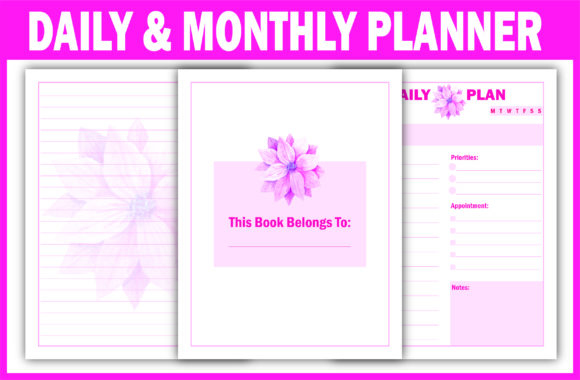
- Grayscale PDF: This version is optimized for cost-efficiency. Black and white printing significantly reduces production costs, allowing for higher royalty margins or more competitive pricing. The grayscale interior includes all necessary structural elements: monthly overviews, daily planning spreads, and lined note sections. It is the workhorse version intended for high-volume sales where price sensitivity is a factor.
- Colored PDF: This variant caters to the premium segment of the planner market. Color interiors allow for visual hierarchy through color-coded headers, aesthetic accents, and improved navigation cues. While production costs are higher, the perceived value increases substantially. Having both versions ready allows publishers to test market preference or create tiered product lines under the same brand umbrella.
Editable PowerPoint Source Files
Perhaps the most valuable asset for long-term business growth is the inclusion of two editable PPT files. Unlike static PDFs, these source files grant full control over the interior architecture. Publishers can modify the number of pages, adjust fonts to match a specific brand identity, or alter layout elements to target niche audiences. For example, a teacher might add grading sections to the daily pages, while a fitness coach could integrate hydration tracking grids. This editability transforms a generic product into a specialized tool, which is essential for standing out in a saturated marketplace.
Marketing and Cover Assets
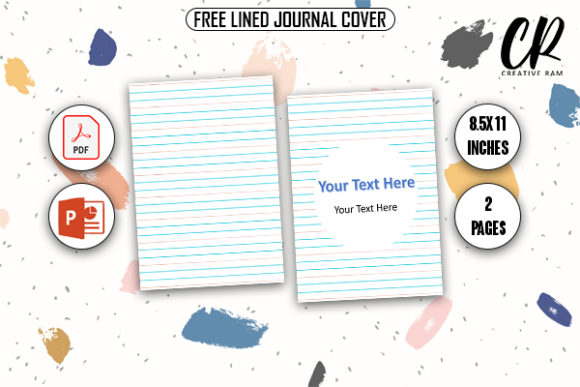
The package includes four high-resolution JPG files. These serve dual purposes: they can be used as base layers for cover design or utilized in advertising materials and social media promotion. Consistent visual branding between the book’s interior aesthetic and its external marketing materials builds trust with potential buyers. These pre-sized images reduce the time spent on graphic design, ensuring that the visual presentation aligns perfectly with the 8.5 x 11-inch dimensions.
Technical Compliance and Formatting Standards
One of the most significant barriers to entry in KDP publishing is navigating the platform's strict formatting guidelines. Rejections due to bleed issues, insufficient margins, or incorrect gutter spacing can delay launches by days or weeks. This 365 Days Daily Planner Ready for KDP mitigates these risks through pre-validation.
The 400-page count is not arbitrary; it represents a substantial volume that signals value to consumers while remaining within safe binding limits for paperback production. The 8.5 x 11-inch format has been configured with appropriate gutters to ensure that writing space near the spine remains usable—a common complaint in poorly formatted planners. Furthermore, the distinction between "Month at Glance," "Daily Plan," and "Lined Pages" follows established usability patterns. Users expect specific layouts in specific orders, and deviating from these norms can lead to negative reviews regardless of the design quality.
By utilizing a tested template, publishers bypass the trial-and-error phase of interior design. The margins account for the physical thickness of a 400-page block, ensuring that no content is lost in the binding. This technical reliability is crucial for maintaining account health and ensuring a smooth upload process.
Strategic Customization for Niche Dominance
While the template is ready for immediate upload, the most successful publishers use it as a foundation for differentiation. The editable PowerPoint files enable strategic modifications that align the planner with specific user intents. Rather than competing for the broad "daily planner" keyword, creators can pivot to underserved micro-niches.
Professional and Business Applications
For entrepreneurs and freelancers, the standard daily layout can be enhanced with project tracking blocks, invoice logging sections, or meeting preparation areas. By renaming the title page and adjusting the header text in the PPT file, a generic planner becomes a "Freelancer’s Business Organizer" or a "Real Estate Agent’s Daily Success Journal." The lined pages can be repurposed as client interaction logs or brainstorming zones, adding functional value specific to the profession.
Educational and Academic Adaptations
The academic market operates on different cycles and requirements than the general consumer market. Educators and students benefit from planners that align with semester schedules rather than calendar years. Using the editable source files, publishers can remove irrelevant months, add assignment trackers, or include study schedule grids. The "Month at Glance" pages can be modified to highlight exam periods or holiday breaks. This level of customization turns a standard product into an essential educational tool.
Health and Wellness Integration
Wellness planners require a different visual language and data tracking structure. The grayscale version provides an excellent canvas for adding mindfulness prompts, gratitude journals, or symptom trackers without increasing printing costs. The flexibility of the PPT files allows for the insertion of motivational quotes or specific health metrics between the standard planning pages. Because the base layout is already professionally formatted, creators can focus entirely on curating the wellness content rather than worrying about alignment and spacing.
Workflow Efficiency and Business Scalability
In the low-content publishing model, profitability is often a function of volume and speed. Creating a 400-page planner from scratch requires dozens of hours of design work, proofreading, and formatting checks. Utilizing a pre-made, 365 Days Daily Planner Ready for KDP compresses this timeline from weeks to hours.
This efficiency enables a portfolio approach to publishing. Instead of betting on a single product, creators can produce multiple variations targeting different demographics simultaneously. The included JPG assets further accelerate this process by providing instant visual content for listing images and ads. When the technical heavy lifting is outsourced to a verified template, mental energy is freed for high-value activities such as keyword research, competitor analysis, and ad campaign management.
Moreover, the availability of both color and grayscale options allows for A/B testing without additional design investment. Publishers can list both versions to gather real-world data on consumer preferences. If the grayscale version outsells the color version 3-to-1, future products can be developed exclusively in black and white to maximize margins. Conversely, if color commands a significant premium, resources can be allocated toward enhancing the visual experience. This data-driven approach is only possible when the baseline production cost is minimized through efficient templating.
Considerations for Long-Term Success
While this planner package offers significant advantages, sustainable success requires thoughtful implementation. Simply uploading the unmodified files may result in a product that blends into the background of a crowded marketplace. The true value lies in the intersection of the provided technical perfection and the publisher's unique creative vision.
Publishers should also remain vigilant regarding KDP’s evolving content policies. Even with a pre-tested template, it is best practice to order a physical proof copy before launching. Screen resolution can sometimes mask minor issues that become apparent in print, such as line weight consistency or paper opacity concerns with the grayscale version. Verifying the tactile experience ensures that the final product meets customer expectations and minimizes returns.
Additionally, intellectual property awareness is paramount. While the template provides the structure, the cover design, title, and description must be original. Using the included JPGs as inspiration or background elements is acceptable, but creating a unique brand identity prevents trademark conflicts and builds a recognizable series. The goal is to leverage the 365 Days Daily Planner Ready for KDP as a manufacturing tool, not as a replacement for creative strategy.
Ultimately, this resource represents a bridge between amateur experimentation and professional publishing. It removes the technical barriers that prevent many aspiring creators from entering the market while providing the flexibility needed to build a distinctive brand. Whether used as-is for rapid market testing or deeply customized for niche authority, the combination of formatted PDFs, editable source files, and marketing assets creates a robust foundation for a scalable low-content business.