5 KDP Adult Activity Puzzle Game Books: A Practical Guide to Customization and Compliance
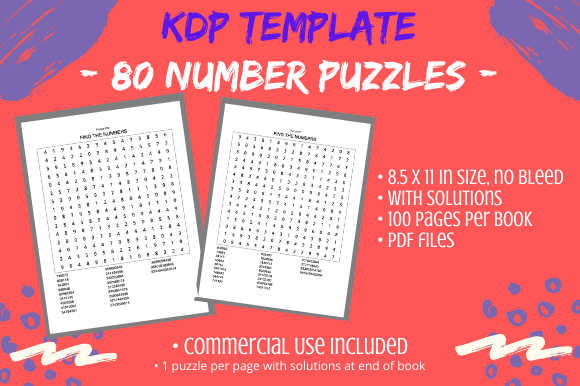
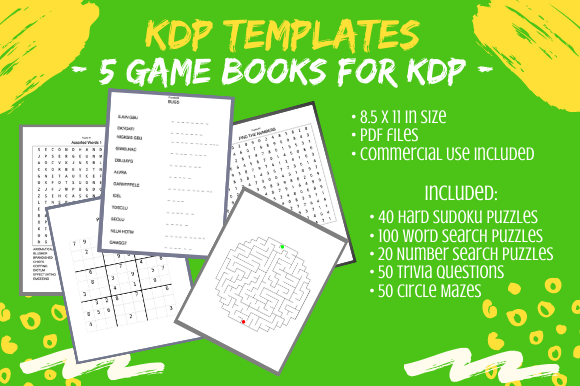
Entering the low-content publishing space offers a unique opportunity for creators, but success relies heavily on how you utilize your assets. When evaluating resources like the 5 KDP Adult Activity Puzzle Game Books bundle, it is essential to look beyond the immediate convenience of pre-made interiors. This collection provides a solid foundation for entrepreneurs and hobbyists looking to publish activity books without designing every page from scratch. The package includes five distinct 8.5×11 inch, no-bleed files featuring 20 Number Search Puzzles, 40 Hard Sudoku Puzzles, 50 Circle Mazes, 50 Trivia Puzzles, and 100 Random Word Searches, complete with solution pages.
However, possessing these files is only the starting line. Many publishers mistakenly believe that uploading these templates directly will result in sales or even remain compliant with platform terms. To build a sustainable business and avoid account penalties, you must treat these files as raw materials rather than finished products. Understanding the nuances of customization, technical formatting, and content originality is what separates professional publishers from those who struggle with duplicate content flags.
The Risk of Duplicate Content and How to Avoid It
The most critical mistake new KDP publishers make with template bundles is using them "as is." Amazon’s algorithms are sophisticated and designed to provide customers with unique value. If multiple sellers upload the exact same interior files from a popular resource pack, the platform may flag these books as duplicate content. This can lead to suppressed visibility, blocked listings, or in severe cases, account termination.
To mitigate this risk, you must adopt a transformative approach. The product description explicitly recommends making the template your own, and this should be your primary workflow. Do not simply change the cover and title. Instead, dismantle the provided PDFs or source files. Mix the circle mazes with trivia questions to create a hybrid brain-teaser book. Insert coloring pages, inspirational quotes, or journaling prompts between puzzle sections. Changing page titles, adjusting fonts, and altering the layout breaks the digital fingerprint of the original file, ensuring your book is recognized as a unique creation.
Strategic Editing for Unique Value
Editing is not just about compliance; it is about market positioning. A generic "Word Search Book" faces immense competition. However, a "Mindfulness Word Search & Journal for Nurses" targets a specific niche. Use the included 100 random word searches as a base, but curate them to fit a theme. Remove irrelevant puzzles and add custom lists that resonate with your target audience. This level of curation adds genuine value that a raw template cannot provide.
- Mix and Match: Combine the 40 Hard Sudoku puzzles with the 50 Trivia puzzles to create a "Logic & Knowledge Challenge" rather than two separate generic books.
- Add Narrative Elements: Include introductions, instructions, or fun facts related to the puzzles to increase word count and engagement.
- Visual Branding: Incorporate consistent headers, footers, and graphics that align with your specific brand identity, distinguishing your book from others using the same base assets.
Technical Specifications and Formatting Oversights
Another common area where publishers stumble is technical formatting. These 5 KDP Adult Activity Puzzle Game Books are specifically formatted at 8.5 x 11 inches with NO bleed. A frequent error occurs when creators attempt to resize these interiors to fit different trim sizes, such as 6x9 or 8x10, without understanding margin requirements. Resizing a no-bleed file to a smaller dimension often pushes content into the gutter or cuts off puzzle elements, rendering the book unusable.
Conversely, trying to force a no-bleed interior into a bleed-enabled project creates white borders that look unprofessional. Before you begin editing, decide on your final trim size. If you intend to use these specific files, commit to the 8.5 x 11 format. If you require a different size, use these files only as reference material to recreate puzzles in the correct dimensions rather than stretching existing PDFs.
Managing Solution Pages Correctly
The inclusion of solutions is a significant advantage, but they must be handled carefully during the customization process. When you delete, move, or modify puzzle pages, the corresponding solution pages can easily become misaligned. Nothing frustrates a customer faster than an answer key that does not match the puzzles. Always verify your solutions after every major edit. Consider placing solutions at the end of each chapter rather than the very end of the book if you are creating a large compilation; this improves user experience and reduces navigation errors.
File Management and Workflow Best Practices
Digital asset management is often overlooked by enthusiastic beginners. The recommendation to make a duplicate copy before working is not merely a suggestion; it is a vital safety protocol. Working directly on master files leads to accidental overwrites and loss of clean source material. Establish a structured folder system for your projects.
- Create a "Master Assets" folder where the original, untouched files reside permanently.
- Create individual project folders for each new book title.
- Copy the necessary files from Master Assets to the project folder before opening your design software.
- Maintain version history within your project folder (e.g., "Interior_v1," "Interior_Final_Print").
This discipline saves hours of frustration. If you realize three months later that you need a clean circle maze for a new project, you won’t have to sift through edited versions or redownload the pack. Furthermore, keeping originals intact allows you to audit your work against the source if formatting issues arise during the KDP proofing stage.
Evaluating Quality Beyond the Template
While these five books provide excellent variety, relying solely on them limits your catalog's potential. Professional publishers use such packs as accelerators, not crutches. Evaluate the difficulty levels critically. The "Hard Sudoku" included might be perfect for enthusiasts, but verify the challenge level yourself. What is labeled "hard" in one database might be "medium" in another. Testing the puzzles ensures your marketing claims are accurate and prevents negative reviews regarding misleading difficulty ratings.
Additionally, consider the visual density of the pages. Adult activity books benefit from clean whitespace and readable typography. If the provided templates feel cluttered, use your editing freedom to adjust margins or font sizes. Accessibility matters to the 20–50 demographic and beyond; ensuring puzzles are legible and aesthetically pleasing contributes significantly to customer satisfaction and repeat purchases.
Making Informed Decisions Before Publishing
Before listing any book created with these assets, conduct a thorough competitive analysis. Search Amazon for similar puzzle books and analyze their interiors via the "Look Inside" feature. If your book looks identical to ten others, pause and revise. Your goal is to offer something distinct. Ask yourself if the combination of puzzles makes sense for a single volume. Does a mix of number searches and trivia appeal to the same person? Cohesion sells better than randomness.
Finally, remember that covers are not included in this digital product. The cover is your primary conversion tool. Investing time in professional cover design that accurately reflects the customized interior is non-negotiable. A mismatched cover sets false expectations, leading to returns. Ensure your cover clearly communicates the specific type of activities inside, especially if you have modified the standard template structure.
By approaching the 5 KDP Adult Activity Puzzle Game Books with a mindset of customization and quality control, you transform a simple digital download into a legitimate publishing asset. Success in this space belongs to those who respect the platform's guidelines and prioritize the reader's experience over speed of publication. Take the time to edit, test, and refine your work, and you will build a portfolio that stands the test of time.