Expense Tracker - KDP Interior: A Practical Resource for Publishers and Personal Finance
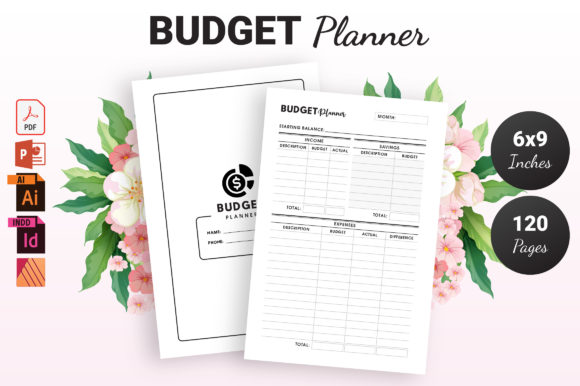
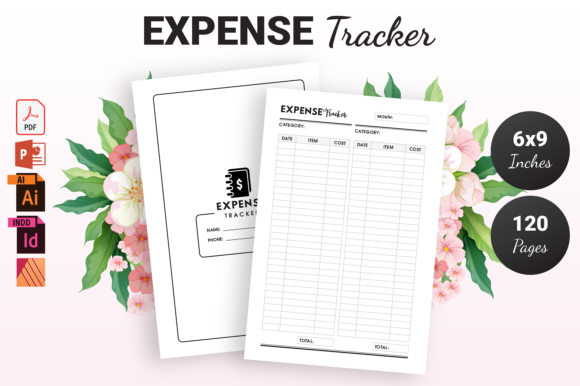
Creating a low-content book for Amazon KDP often comes down to finding the right balance between utility and design. The Expense Tracker - KDP Interior provides a structured, 120-page layout specifically engineered for financial logging. Unlike generic notebooks, this interior is formatted at 6″ x 9″ inches with no bleed, making it compliant with standard paperback printing requirements immediately upon download. For self-publishers, the value lies not just in the ready-to-upload PDF, but in the inclusion of editable source files. Having access to PPTX, AI, and INDD formats means you are not locked into a static product; you can adjust column widths, change fonts, or add branding to create a unique offering in a competitive niche.
Why Financial Tracking Remains a Staple Niche
Digital apps dominate the personal finance space, yet physical expense trackers continue to sell because they solve specific behavioral problems that software cannot. When publishing or using this Expense Tracker - KDP Interior, it helps to understand the tactile advantage. Writing down an expenditure creates a moment of friction that forces mindfulness. For many users, opening a banking app leads to distraction or anxiety, whereas a dedicated physical log serves as a neutral tool for data collection. This interior capitalizes on that need for simplicity. The 6x9 size is portable enough to fit in a bag or glove compartment, encouraging consistent use rather than sporadic monthly reconciliations.
Real-World Applications for Diverse Users
The versatility of this template extends far beyond general household budgeting. Different demographics require different approaches to tracking money, and the editable nature of the source files allows for targeted adaptations.
- Freelancers and Gig Workers: Tax season is a nightmare for independent contractors who commingle funds. A dedicated expense tracker allows them to log business deductions in real-time. With the InDesign or Illustrator file, a publisher could add specific categories like "Software Subscriptions," "Client Meals," or "Mileage" to make the book more relevant to this high-value audience.
- Caregivers and Estate Managers: Managing finances for an elderly parent or handling estate expenses requires meticulous record-keeping for legal and family transparency. A simple, large-print version of this tracker (easily modified in the PPTX file) provides a non-digital way to track medical costs, home repairs, and daily living expenses without navigating complex accounting software.
- Students and Young Adults: For those transitioning to financial independence, budgeting apps can feel overwhelming. A physical tracker offers a low-barrier entry point to financial literacy. Educators and parents often buy these as practical gifts to help young adults visualize cash flow without the learning curve of digital tools.
- Small Business Owners: Market vendors, crafters, and pop-up shop operators often deal with cash transactions that are easily forgotten. A rugged, portable expense log is essential for capturing these micro-transactions before they vanish. The no-bleed format ensures that even if the book takes a beating in a workspace, the content remains intact and legible.
Leveraging Source Files for Customization
The true power of this Expense Tracker - KDP Interior package is the ability to differentiate. The market is saturated with basic income/expense logs. To stand out, you must offer something tailored. The included PowerPoint (PPTX), Adobe Illustrator (AI), and InDesign (INDD) files provide the flexibility to pivot your strategy based on current trends or specific sub-niches.
For example, if you identify a trend in "cash stuffing" or envelope budgeting on social media, you can open the AI file and redesign the headers to match that aesthetic. Perhaps you want to create a bilingual version for a specific regional market; the editable text layers make translation straightforward. Even if you lack advanced design skills, the PowerPoint file offers a user-friendly environment to tweak layouts, add motivational quotes, or insert instructional pages on how to categorize expenses effectively. This customization capability transforms a generic template into a proprietary product asset.
Technical Specifications and Print Readiness
One of the most common pitfalls in KDP publishing is formatting errors that lead to rejected uploads or poor print quality. This resource mitigates those risks through precise technical adherence. The 6″ x 9″ dimension is the industry standard for trade paperbacks, offering a professional feel that isn't too bulky for daily carry. The 120-page count strikes a practical balance; it provides roughly three to four months of daily tracking or a full year of weekly summaries, which aligns with typical user commitment cycles.
The "No Bleed" specification is particularly important for functional books. Margins are preserved to ensure that writing space near the spine remains usable. When users write in a bound book, they need adequate gutter space. This interior accounts for that physical reality, preventing the frustration of text disappearing into the binding. The high-quality print-ready PDF ensures crisp lines and legible text, which is non-negotiable for a workbook where users need to write clearly within confined spaces.
Strategic Considerations Before Publishing
Before uploading this Expense Tracker - KDP Interior, consider how you will position it. Simply listing it as an "expense tracker" may result in low visibility due to high competition. Success often comes from solving a specific problem for a defined person. Review the source files and ask yourself what angle is missing in the current marketplace.
Consider the cover design as well. While the interior is ready, the cover must signal the specific use case. A minimalist, corporate-style cover appeals to professionals, while a colorful, illustrated cover might attract students or creative entrepreneurs. The interior’s clean layout supports both aesthetics, but your external marketing must match the internal utility.
Also, evaluate the pricing strategy relative to the page count and niche specificity. A generic tracker competes on price, but a specialized "Real Estate Investor Expense Log" or "Wedding Budget Planner" created from this same template can command a premium because it saves the user time and mental energy. Use the editable files to add value-added content, such as savings challenge trackers, debt payoff visualizers, or monthly reflection prompts. These additions increase the perceived value and justify a higher price point.
Making the Most of Digital and Physical Integration
Modern users often hybridize their systems. They may use an app for automatic bank feeds but prefer a physical book for discretionary spending or goal setting. You can enhance this Expense Tracker - KDP Interior by acknowledging this behavior. Consider adding a QR code (editable in the source files) that links to a free digital spreadsheet or a video tutorial on budgeting. This bridges the gap between physical and digital, offering a comprehensive solution that feels modern despite being analog.
Ultimately, this resource is a foundation. Whether you are a seasoned publisher looking to expand your catalog or a new creator entering the low-content space, the combination of a compliant, print-ready PDF and versatile source files reduces technical barriers. It allows you to focus on what actually drives sales: understanding the user's financial pain points and providing a tangible, well-designed tool to alleviate them. By treating this interior as a starting point for innovation rather than a final destination, you can build a sustainable product line that serves real needs in an evergreen market.