Budget Planner - KDP Interior: A Practical Resource for Publishers and Personal Finance Creators
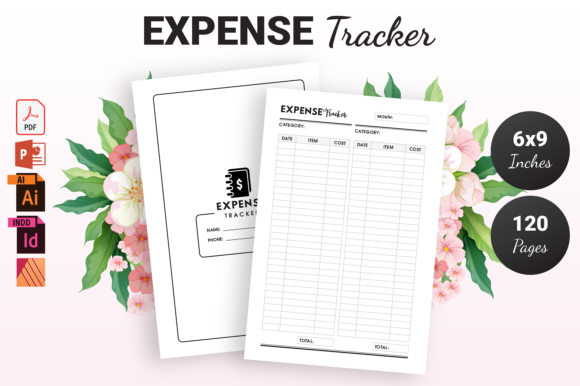
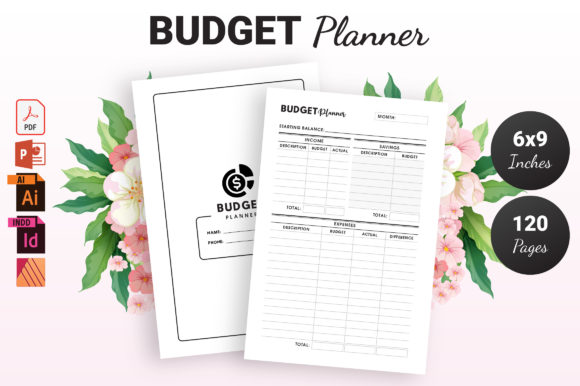
Creating a low-content book for Amazon KDP often feels like a race against time, especially when you are trying to balance quality with speed. The Budget Planner - KDP Interior is designed specifically to bridge that gap for self-publishers who want to offer genuine value without spending hundreds of hours designing layouts from scratch. This isn't just a generic template; it is a comprehensive, 120-page system formatted at the industry-standard 6″ x 9″ trim size. For creators, entrepreneurs, and educators looking to enter the personal finance niche, this interior provides a professional foundation that is ready for immediate upload or extensive customization.
Why the 6x9 Format Matters for Financial Planning
When selecting a KDP interior, dimensions dictate usability. The 6″ x 9″ specification for this Budget Planner is intentional. In the realm of personal finance journals, portability is a key selling point. Users want a planner that fits in a tote bag, a glove compartment, or a desk drawer without feeling cumbersome. Unlike larger 8.5x11 workbooks that feel like textbooks, this compact size encourages daily interaction. For publishers, this means your product aligns with actual consumer behavior rather than arbitrary design choices.
The 120-page count is equally strategic. It offers enough volume to cover twelve months of tracking plus introductory goal-setting pages, yet it remains thin enough to keep printing costs low. This balance directly impacts your royalty margins. By utilizing a no-bleed configuration, the layout ensures that critical writing spaces remain safely within the safe zone, eliminating common formatting errors that lead to rejected uploads or poor customer reviews regarding cut-off text.
Realistic Use Cases for Diverse Audiences
The versatility of this Budget Planner - KDP Interior extends far beyond simple expense tracking. Understanding where and how different demographics utilize these tools can help you market your finished book more effectively or customize the source files to target specific sub-niches.
- Freelancers and Gig Workers: Traditional budget planners often assume a steady bi-weekly paycheck. Freelancers need flexible tracking for irregular income streams. With the editable PPTX or INDD files, you can quickly adjust the income section to include fields for "Client Name," "Invoice Date," and "Tax Set-Aside," making the planner relevant to the gig economy.
- College Students and Educators: Financial literacy is a growing curriculum requirement. Educators can use this interior as a semester-long project tool. Because the file includes PowerPoint and Illustrator sources, teachers can rebrand the cover and modify prompts to match specific lesson plans on debt management or student loan repayment.
- Small Business Owners: Many solopreneurs struggle to separate personal and business finances. This planner serves as an excellent supplementary tool for tracking petty cash, mileage, or supply expenses. Marketers targeting this group can position the book as a "Business Expense Companion" rather than a generic household budget.
- Couples and Families: Joint financial planning requires clear communication. The structured layout provides a neutral ground for discussing money. Users in this demographic often appreciate the pre-formatted categories for groceries, utilities, and savings goals, which reduce the mental load of setting up a new system from zero.
Leveraging Source Files for Customization and Branding
One of the most significant advantages of this package is the inclusion of PDF, PPTX, AI, and INDD source files. While the high-quality print-ready PDF allows for instant publishing, the editable formats unlock long-term business potential. Relying solely on a static PDF limits you to competing on price and cover design alone. Access to the native files allows you to compete on relevance.
Consider a scenario where you identify a trending keyword like "ADHD Budget Planner." Standard interiors rarely cater to neurodivergent needs. However, with the Adobe InDesign (INDD) or Illustrator (AI) files, you can simplify the visual clutter, increase font sizes, or add dopamine-reward tracking sections in under an hour. This level of adaptation transforms a commodity product into a specialized solution. Similarly, the PowerPoint (PPTX) file offers a low-barrier entry for those who do not own Adobe Creative Cloud. You can change color schemes, update headers, or translate content using software you already know, ensuring the product remains accessible regardless of your technical skill level.
Strategic Considerations Before Publishing
Before you download and upload this Budget Planner - KDP Interior, it is vital to approach the process with a strategy that prioritizes user experience over quick profits. The low-content book market has matured, and customers are increasingly discerning. They can distinguish between a thoughtful resource and a hastily assembled cash grab.
First, review the interior flow critically. Does the monthly reflection section provide enough space for meaningful notes? Are the category columns wide enough for realistic handwriting? Even though the template is professionally designed, your unique audience might have specific preferences. Testing the print version yourself or ordering a proof copy is non-negotiable. Seeing the physical 6x9 dimensions helps verify that the margins and binding gutter are comfortable for left-handed writers or those who prefer to write near the spine.
Second, consider the legal and ethical aspects of customization. While you have rights to modify and publish the interior, ensure you are adding distinct value. Simply changing the title font and republishing the exact same interior as fifty other sellers dilutes the marketplace. Use the source files to inject your voice, expertise, or branding elements. If you are a financial coach, add your proprietary budgeting method tips to the intro pages. If you are a minimalist lifestyle blogger, streamline the categories to reflect anti-consumerist values. This alignment between the interior content and your external brand builds trust and authority.
Connecting Features to Tangible Outcomes
Technical specifications only matter insofar as they solve problems. The "No Bleed" specification, for instance, isn't just a printing term; it translates to cleaner aesthetics and lower production costs, which allows you to price the book competitively while maintaining healthy royalties. The 120-page length prevents the book from feeling flimsy, giving customers the perception of durability and value without the shipping weight penalties of a 200-page tome.
Furthermore, the availability of multiple file formats future-proofs your purchase. Software ecosystems change; having both legacy-friendly PPTX and industry-standard AI/INDD files ensures you won't be locked out of editing your own product if you switch computers or cancel a subscription later. This flexibility is crucial for creators building a sustainable publishing business rather than chasing a fleeting trend.
Ultimately, the Budget Planner - KDP Interior serves as a sophisticated starting block. It removes the technical friction of layout design so you can focus on what actually drives sales: understanding your audience's financial pain points and offering a structured, empathetic solution. Whether you are launching your first KDP title or expanding an existing catalog of financial wellness products, this resource provides the structural integrity needed to create a book that users will actually rely on throughout their fiscal year. By treating this interior as a malleable asset rather than a finished product, you position yourself to capture market share through specificity, quality, and genuine utility.