Event Calendar KDP Interior: Strategic Planning for Low Content Publishers
Success in the low and no-content publishing space rarely comes from uploading generic templates and hoping for algorithmic discovery. It requires a shift toward product specificity and user-centric design. The Event Calendar KDP Interior represents this strategic pivot. Rather than serving as a mere collection of blank grids, this specific interior format functions as a specialized tool for organization, memory keeping, and niche planning. For publishers targeting adults aged 20 to 50, including entrepreneurs, educators, and busy professionals, understanding the utility of this asset is more important than the technical act of uploading it.
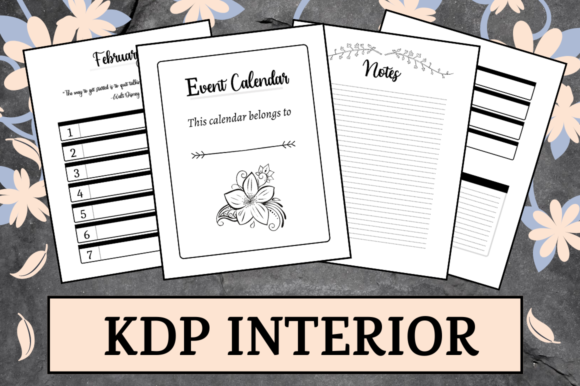
This resource is engineered for immediate deployment. Formatted and tested specifically for Amazon’s print-on-demand requirements, this Event Calendar KDP Interior eliminates the most common friction points in self-publishing. It arrives as a 50-page PDF with an 8 x 10 trim size and no bleed settings. These specifications are not arbitrary; they represent a balance between portability and functionality that appeals to modern users who need physical planning tools without the bulk of traditional agendas. By leveraging a pre-validated file, you bypass technical rejection risks and focus entirely on market positioning and keyword strategy.
Defining the Strategic Utility of Specialized Interiors
To use an Event Calendar KDP Interior effectively, one must first distinguish it from standard monthly planners or daily journals. A standard planner dictates a rigid structure of hourly appointments and to-do lists. An event calendar, conversely, focuses on milestones, recurring dates, anniversaries, and long-term scheduling. This distinction matters because it targets a different psychological need in the consumer.
For your business, this interior supports goals related to portfolio diversification and audience retention. Professionals and freelancers often possess multiple planning systems but lack a centralized location for non-negotiable dates. Educators require academic event tracking separate from personal schedules. Hobbyists need space for competition dates, show schedules, or release calendars. When you position this product correctly, you are not selling paper; you are selling cognitive offloading. You are providing a dedicated vessel for information that does not fit into a daily planner but is too important to trust to digital notifications alone.
The 8 x 10 trim size further enhances this utility. It offers significantly more horizontal writing space than a 6 x 9 notebook, allowing users to record detailed event information, venue logistics, or guest lists without feeling cramped. Yet, it remains distinct from the oversized 8.5 x 11 format, which can feel cumbersome for personal carry. This "Goldilocks" sizing suggests you have considered the end-user's physical context, a signal of quality that discerning buyers recognize.
Aligning Product Specifications with User Experience
The technical parameters of this Event Calendar KDP Interior directly influence its market viability. Understanding why these specs matter helps you write better descriptions and target the right keywords.
- 50-Page Count: This length is intentional. A 100+ page event calendar implies a multi-year commitment that many users find daunting. Fifty pages allow for a focused annual view, a specific project timeline, or a curated list of lifetime events. It lowers the barrier to entry for the buyer and reduces printing costs for you, protecting margins.
- No Bleed Configuration: Choosing no bleed ensures that all content stays within safe margins regardless of minor printing shifts. For an event calendar where readability is paramount, text or grid lines getting cut off destroys utility. This specification guarantees a consistent, professional finish across every copy printed.
- PDF Format Validation: Uploading untested files is a primary cause of publishing delays. Because this interior is pre-tested for KDP standards, you mitigate the risk of margin errors or font embedding issues. This reliability allows for faster iteration cycles when testing new niches.
When marketing this product, translate these features into benefits. Do not simply list "8 x 10 no bleed." Instead, articulate that the layout provides "ample writing space with guaranteed edge-to-edge clarity," or describe the page count as "perfectly sized for single-year comprehensive tracking without unnecessary bulk."
Niche Application and Audience Targeting
The versatility of the Event Calendar KDP Interior lies in its adaptability. However, broad appeal often leads to low conversion. Strategic success comes from applying this interior to specific verticals where event tracking is a pain point.
Small Business Owners and Marketers: These professionals manage product launches, content schedules, and networking events. A dedicated event calendar serves as a high-level strategic overview that complements their detailed project management software. Positioning your book as a "Marketing Launch Tracker" or "Business Milestone Planner" creates immediate relevance.
Educators and Academics: The academic year operates on a unique cycle of semesters, grading periods, and conferences. Standard calendars rarely align with this rhythm. Using this interior to create an "Academic Event Log" or "Conference & Grant Deadline Tracker" addresses a specific operational gap.
Hobbyists and Collectors: Whether tracking antique shows, gaming tournaments, or botanical bloom cycles, enthusiasts value specialized organization. These micro-niches often have less competition and higher customer loyalty. The neutral nature of this interior allows you to customize the cover and title to speak directly to these passionate communities without altering the internal structure.
Risks of Context-Free Publishing
While the Event Calendar KDP Interior is a robust asset, relying on it without strategic context introduces risk. The most significant danger is commoditization. If you upload this interior with a generic title like "Event Calendar 2024" and a stock photo cover, you enter a saturated race to the bottom. Buyers cannot differentiate your product from thousands of others, leading to poor sales velocity and wasted advertising spend.
Another risk involves misalignment between the interior structure and the promised niche. If you market the book to wedding planners but the grid layout lacks space for vendor contact details or budget notes, you will generate negative reviews. Even though the interior is high-quality, it fails the specific user intent. Always audit the interior against the needs of your chosen niche before publishing. If the 8 x 10 no bleed layout does not support the specific data points your audience needs to track, this is not the right asset for that particular project.
Furthermore, avoid the trap of assuming "ready to upload" means "ready to sell." Technical compliance is merely the baseline. Value is created through metadata optimization, cover design, and category selection. Treating this interior as a magic solution rather than a foundational component of a broader business strategy will yield suboptimal results.
Making Intentional Decisions for Long-Term Growth
Integrating the Event Calendar KDP Interior into your publishing workflow should be a deliberate decision based on data and observation. Before creating a new listing, evaluate your existing portfolio. Does this format fill a gap? Are customers searching for event-specific tracking solutions in your current niches?
Consider the lifecycle of the product. Event calendars can be evergreen if positioned as undated trackers or milestone logs. Alternatively, they can be seasonal assets tied to specific years or academic terms. Your choice affects your long-term maintenance workload and revenue stability. Undated versions using this interior provide passive income potential without annual updates, while dated versions capture high-intent seasonal traffic.
Use this interior to test market depth. Because the file is pre-formatted and tested, your time investment per SKU is lower. This efficiency allows you to experiment with different covers, titles, and keyword sets to identify winning combinations. Once a variation proves successful, you can double down with custom interiors or expanded editions. Conversely, if a niche fails to respond, the low sunk cost allows you to pivot quickly without significant financial loss.
Ultimately, the Event Calendar KDP Interior is a tool for execution. It streamlines the production side of low-content publishing so you can dedicate mental energy to the strategic side: understanding customers, refining messaging, and building a sustainable brand. By respecting the technical specifications and applying thoughtful niche research, you transform a simple PDF into a valuable asset that serves both your business objectives and your readers' organizational needs. Success in this space belongs to those who treat formatting as a foundation for value, not just a requirement for publication.